Key Takeaways
- Establish a detailed and realistic budget before starting any renovation project, including a contingency fund for unexpected expenses.
- Prioritize structural, safety, and essential system upgrades first to prevent costly repairs and rework later.
- Create a clear project scope with specific materials, finishes, and expectations to reduce misunderstandings and change orders.
- Choose contractors based on experience, qualifications, and reputation rather than selecting the lowest bid alone.
- Finalize design decisions before construction begins to avoid expensive modifications and project delays.
- Consider completing large renovations in phases to spread costs over time and maintain better financial control.
- Track expenses throughout the project and regularly compare actual spending against your budget to identify potential overruns early.
Major home upgrades can transform a house into a more comfortable, functional, and valuable living space. Whether you’re updating an aging kitchen, expanding your living area, renovating bathrooms, or modernizing key systems, remodeling projects often come with significant financial commitments. Unfortunately, many homeowners begin renovations with a budget in mind only to find themselves spending far more than anticipated by the time the work is complete.
Cost overruns are common because renovations involve many moving parts, including materials, labor, permits, design decisions, and unforeseen issues hidden behind walls or beneath flooring. While some unexpected expenses are unavoidable, careful planning and informed decision-making can dramatically reduce the risk of overspending.
The good news is that staying within budget does not mean sacrificing quality or settling for disappointing results. By approaching your remodel strategically, prioritizing the right projects, and understanding where costs tend to escalate, you can achieve your renovation goals while maintaining financial control. The following tips can help homeowners navigate major home upgrades without turning a planned investment into an expensive burden.
Why Do Remodeling Projects Often Go Over Budget?
Many remodeling projects exceed their original budgets because homeowners underestimate the complexity of renovation work. What appears to be a straightforward upgrade can quickly reveal hidden structural problems, outdated electrical systems, plumbing issues, or code compliance concerns. Once demolition begins, contractors may uncover conditions that require immediate attention before the project can continue.
Another common reason costs rise is the accumulation of small changes throughout the project. Homeowners often decide to upgrade fixtures, choose premium finishes, add features, or alter layouts after work has already started. While each change may seem manageable individually, together they can significantly increase overall expenses.
External factors can also contribute to budget overruns. Material shortages, fluctuating labor costs, permit requirements, and project delays can all affect final costs. Understanding these risks from the beginning allows homeowners to prepare realistic budgets and make smarter decisions throughout the remodeling process.
Some of the most common causes of overspending include:
- Poor initial planning
- Incomplete project scopes
- Frequent design changes
- Underestimating labor costs
- Choosing upgrades outside the original budget
- Unexpected structural or system repairs
- Inadequate contingency funds
- Rushing contractor selection
Recognizing these potential pitfalls is the first step toward keeping your renovation financially manageable.
How Can You Create a Realistic Remodeling Budget?

Creating a realistic budget is one of the most important steps in any renovation project. A well-developed budget serves as a financial roadmap that guides decisions before and during construction. Rather than relying on rough estimates or online averages, homeowners should take time to research local costs and obtain multiple professional opinions.
Start by identifying exactly what you want to accomplish. Clearly defining your project scope helps eliminate uncertainty and allows contractors to provide more accurate estimates. Break the project into categories such as demolition, labor, materials, permits, inspections, design services, and contingency funds.
Consider creating a detailed spreadsheet that tracks expected expenses and actual spending throughout the project. Monitoring costs regularly helps identify potential issues before they become significant financial problems.
A realistic remodeling budget should include:
- Labor costs
- Material costs
- Permit and inspection fees
- Design and architectural services
- Temporary housing if necessary
- Waste removal expenses
- Landscaping restoration
- Emergency reserve funds
Experts often recommend setting aside an additional 10% to 20% of the total project cost for unforeseen circumstances. This buffer can help absorb unexpected expenses without derailing the project.
What Projects Should You Prioritize First?
Before spending money on cosmetic improvements, homeowners should evaluate the condition of their home’s essential systems. Structural integrity, safety concerns, and functional upgrades typically provide greater long-term value than purely aesthetic improvements.
Prioritization helps prevent situations where homeowners spend heavily on finishes only to discover they need costly repairs afterward. Addressing foundational issues first creates a stable platform for future improvements and reduces the risk of having to redo completed work.
Projects often worth prioritizing include:
- Roof repairs or replacement
- Foundation stabilization
- Electrical system upgrades
- Plumbing improvements
- HVAC replacement
- Window and door upgrades
- Water damage remediation
- Insulation improvements
After essential systems are addressed, homeowners can focus on enhancements that improve appearance, comfort, and usability.
Prioritizing projects also allows homeowners to spread costs over multiple phases. Instead of attempting a complete home transformation at once, improvements can be scheduled strategically over several years while maintaining financial stability.
Why is a Detailed Project Scope So Important?
One of the biggest causes of overspending is a poorly defined project scope. Vague plans create uncertainty, making it difficult for contractors to estimate costs accurately and increasing the likelihood of change orders later.
A detailed project scope should outline every aspect of the renovation, including materials, dimensions, finishes, fixtures, timelines, and contractor responsibilities. The more specific the scope, the easier it becomes to compare bids and identify potential discrepancies.
Your project scope should answer questions such as:
- What rooms are being renovated?
- Which materials will be used?
- What fixtures will be installed?
- Are structural changes required?
- Who is responsible for permits?
- What work is excluded?
- What is the expected timeline?
Documenting these details reduces misunderstandings and creates accountability throughout the project.
A clear scope also helps homeowners resist impulsive decisions. When renovation plans are established upfront, there is less temptation to make costly additions during construction.
How Do You Choose the Right Contractor Without Paying Too Much?
Hiring the cheapest contractor is rarely the best way to save money. Low bids can sometimes indicate inexperience, poor-quality materials, inadequate insurance, or unrealistic pricing that leads to expensive change orders later.
Instead of focusing solely on price, evaluate contractors based on qualifications, reputation, communication skills, and project experience. Request multiple estimates and compare them carefully to ensure each contractor is bidding on the same scope of work.
When evaluating contractors, consider:
- Licensing and certifications
- Insurance coverage
- References from previous clients
- Portfolio of completed projects
- Written contracts
- Communication responsiveness
- Warranty offerings
Ask detailed questions about timelines, subcontractors, material sourcing, and project management procedures.
A reputable contractor may charge more initially but can often prevent costly mistakes, delays, and rework that increase total project expenses.
Where Should You Save Money and Where Should You Spend More?
Not every aspect of a remodel deserves the same level of investment. Successful homeowners distinguish between features that significantly impact performance and those that have minimal long-term value.
Areas often worth investing in include:
- Structural components
- Roofing systems
- Electrical upgrades
- Plumbing infrastructure
- Energy-efficient windows
- Quality insulation
- Durable flooring
- Professional installation
Areas where savings may be possible include:
- Decorative fixtures
- Trendy finishes
- Accent features
- Certain hardware selections
- Cosmetic upgrades with limited functionality
For example, selecting a moderately priced countertop with excellent durability may provide better value than choosing the most expensive luxury option available.
Understanding this distinction allows homeowners to allocate resources effectively while achieving desired results.
How Can Material Choices Affect Your Overall Costs?
Material selection significantly influences remodeling expenses. Premium materials can dramatically increase costs, particularly when applied across large areas. However, the most expensive option is not always the best choice.
Many modern products offer excellent performance at lower price points than luxury alternatives. Researching materials carefully can uncover options that provide durability, aesthetic appeal, and functionality without excessive expense.
Factors to evaluate include:
- Lifespan
- Maintenance requirements
- Warranty coverage
- Installation costs
- Availability
- Energy efficiency
- Repairability
Comparing lifecycle costs rather than upfront prices often leads to better decisions. A product that costs slightly more initially but lasts decades longer may provide superior value over time.
Homeowners should also be cautious about choosing highly specialized materials that may require expensive installation or maintenance.
Why Should You Avoid Frequent Design Changes?
Design changes are among the fastest ways to increase remodeling costs. Once construction begins, altering layouts, materials, or features often requires additional labor, revised plans, and new materials.
Even seemingly minor adjustments can have a ripple effect throughout the project. Moving a wall, changing cabinet dimensions, or selecting different fixtures may affect electrical work, plumbing configurations, flooring installations, and scheduling.
To minimize costly changes:
- Finalize designs before construction starts.
- Approve material selections early.
- Review plans carefully.
- Visualize layouts using renderings.
- Discuss concerns before demolition begins.
- Create a decision timeline.
Making informed decisions during the planning phase is typically far less expensive than making revisions during construction.
Sticking to a finalized plan helps maintain project momentum and reduces the likelihood of budget surprises.
How Can Phased Remodeling Help Control Costs?
Many homeowners feel pressure to complete every desired upgrade at once. However, phased remodeling can be a highly effective strategy for managing expenses while still achieving long-term goals.
A phased approach divides larger renovations into manageable stages. Instead of financing an extensive remodel immediately, homeowners can spread investments over several years while prioritizing the most important projects first.
Benefits of phased remodeling include:
- Improved cash flow management
- Reduced financial stress
- Better decision-making
- More time to save for future phases
- Opportunity to evaluate completed work
- Flexibility as needs change
For example, a homeowner may first address roofing and insulation improvements before later remodeling kitchens and bathrooms.
This strategy often results in better financial outcomes because homeowners avoid accumulating excessive debt or depleting emergency savings.
What Hidden Costs Should Homeowners Expect?
Many renovation budgets focus primarily on visible improvements while overlooking secondary expenses that can significantly impact total project costs.
Common hidden costs include:
- Permit fees
- Engineering consultations
- Temporary storage
- Utility upgrades
- Mold remediation
- Pest damage repairs
- Asbestos removal
- Landscaping restoration
- Inspection fees
- Temporary accommodations
Older homes are particularly vulnerable to hidden issues. Outdated wiring, deteriorated plumbing, and structural deficiencies often become apparent only after demolition begins.
Including contingency funds specifically for unforeseen discoveries can prevent panic when unexpected expenses arise.
Homeowners should discuss potential risks with contractors during planning stages to identify likely problem areas before construction begins.
How Can Energy-Efficient Upgrades Save Money Long-Term?
While energy-efficient improvements may increase upfront remodeling costs, they often generate substantial long-term savings through reduced utility expenses and improved home performance.
Many homeowners focus exclusively on initial costs without considering operating expenses over the lifespan of the home. Strategic efficiency improvements can help offset renovation costs over time.
Examples include:
- High-efficiency HVAC systems
- Improved insulation
- Energy-efficient windows
- Smart thermostats
- LED lighting
- Water-saving fixtures
- Sealed ductwork
- Energy-efficient appliances
These improvements can also increase comfort, reduce maintenance requirements, and enhance property appeal for future buyers.
When evaluating upgrade options, calculate potential utility savings alongside installation costs to determine overall value.
How Does Careful Planning Support Long-Term Property Value?
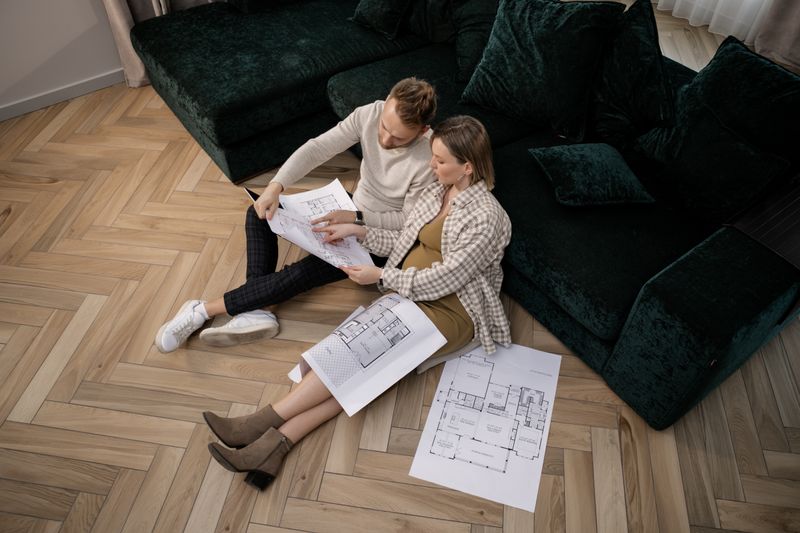
A successful remodel should balance immediate needs with future benefits. Homeowners who consider long-term value often make smarter financial decisions than those focused solely on current trends.
Before beginning a renovation, evaluate whether planned upgrades align with neighborhood expectations and market conditions. Over-improving a property can limit return on investment if surrounding homes do not support higher valuations.
Projects that often contribute positively to property value include:
- Kitchen renovations
- Bathroom updates
- Energy-efficiency improvements
- Roof replacement
- Exterior enhancements
- Functional living space additions
When considering major upgrades, homeowners should think about maximizing home resale value while also creating a comfortable living environment.
Strategic planning helps ensure remodeling investments support both current enjoyment and future financial goals.
Can Exterior Improvements Deliver Strong Returns?
Interior renovations often receive the most attention, but exterior upgrades can provide substantial benefits as well. Improving curb appeal enhances first impressions, protects the home from environmental damage, and can increase marketability.
Many exterior projects offer excellent value because they improve both aesthetics and functionality simultaneously.
Potential exterior improvements include:
- New siding
- Roofing upgrades
- Window replacement
- Entry door replacement
- Gutter improvements
- Landscaping enhancements
- Driveway repairs
- Outdoor lighting
A carefully planned budget-friendly exterior renovation can refresh a home’s appearance without requiring the expense of a complete exterior overhaul.
Prioritizing high-impact improvements allows homeowners to enhance curb appeal while maintaining budget discipline.
What Habits Help Keep Spending Under Control Throughout the Project?
Even with careful planning, maintaining discipline during construction is essential. Successful remodeling projects require ongoing oversight and consistent financial management.
Developing strong habits throughout the renovation process can help prevent budget creep and keep spending aligned with original goals.
Effective practices include:
- Tracking expenses weekly
- Reviewing invoices carefully
- Documenting all change requests
- Communicating regularly with contractors
- Comparing actual spending to budget projections
- Delaying nonessential upgrades
- Maintaining contingency reserves
- Avoiding emotional purchasing decisions
Regular project reviews provide opportunities to identify concerns early and make adjustments before costs escalate significantly.
Homeowners who remain actively involved in the remodeling process are often better positioned to protect their budgets and achieve desired outcomes.
Conclusion
Major home upgrades can significantly improve comfort, functionality, energy efficiency, and property value, but they also present substantial financial challenges when not managed carefully. Overspending often occurs because of poor planning, unrealistic budgets, unexpected discoveries, and frequent project changes. Fortunately, homeowners can reduce these risks through thoughtful preparation and disciplined decision-making.
Creating a detailed budget, prioritizing essential projects, selecting qualified contractors, choosing materials wisely, and maintaining contingency funds are among the most effective strategies for controlling costs. Equally important is developing a clear project scope and resisting unnecessary changes once construction begins.
By approaching renovations with realistic expectations and a long-term perspective, homeowners can complete major remodeling projects successfully while protecting their finances. Smart planning, consistent oversight, and strategic investments allow homeowners to enjoy the benefits of a beautifully upgraded home without the burden of excessive expenses.