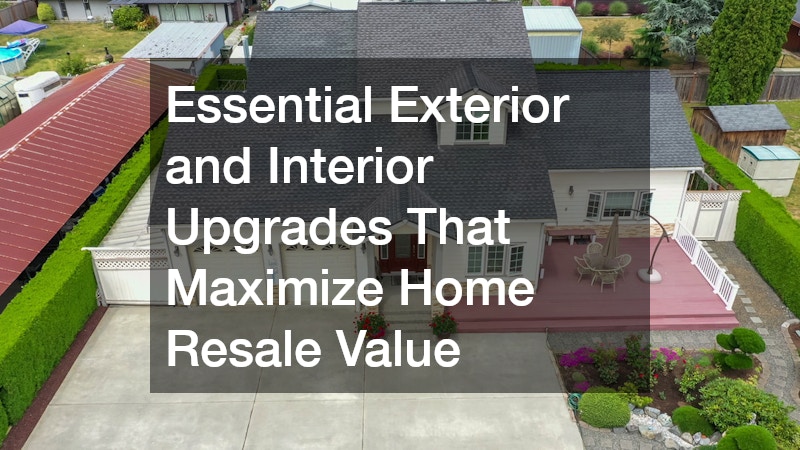
Maximizing home resale value requires more than a few cosmetic improvements. Today’s buyers evaluate properties based on a combination of appearance, functionality, energy efficiency, safety, and long-term maintenance needs. While attractive finishes and modern design elements can create a strong first impression, many buyers also pay close attention to the condition of major systems, structural components, and upgrades that improve comfort and reduce future expenses. As a result, homeowners who take a strategic approach to renovations are often better positioned to attract buyers and achieve a higher selling price.
The most effective home improvement projects combine curb appeal with practical performance. Exterior upgrades such as roofing improvements, landscaping enhancements, siding repairs, outdoor living spaces, and energy-efficient windows can significantly improve a property’s appearance and marketability. Inside the home, modern kitchens, updated bathrooms, improved lighting, smart home features, and functional living spaces continue to rank among the most desirable features for prospective buyers. When thoughtfully planned, these improvements can increase both buyer interest and overall property value.
Beyond aesthetics, many high-value upgrades focus on reducing maintenance concerns and improving efficiency. Updated HVAC systems, plumbing, electrical components, insulation, and moisture protection measures can provide reassurance to buyers who want a move-in-ready home. Investing in these foundational improvements often helps a property stand out in competitive real estate markets by demonstrating that the home has been properly maintained and cared for over time.
This guide explores the exterior and interior improvements that deliver the greatest impact on resale value, helping homeowners prioritize projects that offer strong returns on investment. By balancing visual appeal with functionality, durability, and efficiency, you can make informed decisions that enhance your home’s desirability and strengthen its position in the marketplace.
1. Strengthening the Protective Shell and Curb Appeal
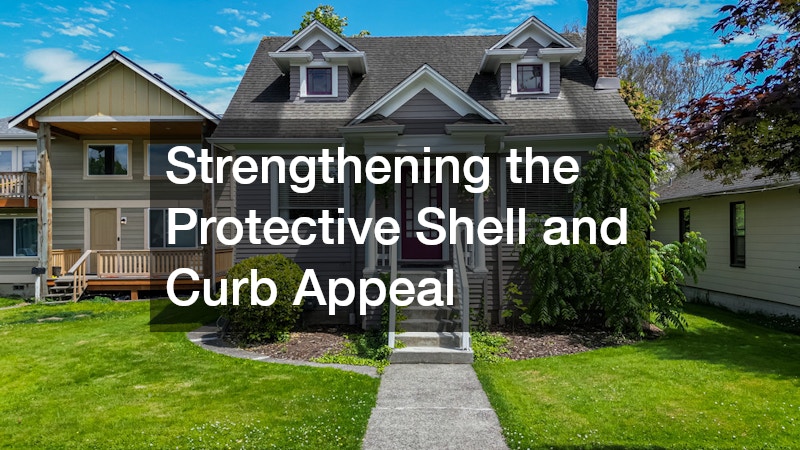
The exterior of your home is the first and only chance you get to make a primary impression. If the roof looks worn or the siding is faded, a buyer has already mentally deducted thousands of dollars from their offer before they even step through the front door. The standard for exterior durability has risen. People are looking for materials that can withstand increasingly volatile weather patterns while maintaining a “like-new” appearance for decades. This is why many savvy sellers prioritize a partnership with a reputable local roofing company to ensure the top of the house is not just leak-proof, but also energy-reflective. Modern cool-roof technology can significantly reduce attic temperatures, a feature that is a major selling point in warmer climates.
Beyond the roof, the “skin” of the house determines its architectural character. Dated vinyl or peeling wood can be replaced with fiber cement or composite materials that offer superior fire resistance and insulation properties. High-quality home siding contractors can help you select profiles that mimic natural wood or stone while providing a maintenance-free lifestyle that attracts busy professionals. A fresh exterior envelope doesn’t just look better; it acts as a thermal barrier, protecting the internal structure from moisture and temperature swings.
To maximize the impact of your exterior upgrades, consider these tactical tips:
The “Fifth Wall” Strategy: Choose shingle colors that complement your siding. High-contrast roofs (darker shingles with lighter siding) create a more modern, high-value aesthetic.
Material Consistency: Ensure that all exterior trim, soffits, and gutters match the new siding quality to avoid “weak spots” in your curb appeal.
Lighting Integration: Use the siding installation process to pre-wire for exterior sconces or security cameras, hiding the wires behind the new panels.
Warranty Documentation: Always keep the transferable warranty paperwork for your roofing and siding; this is a powerful tool during closing negotiations.
2. Optimizing Energy Efficiency and Climate Control
Once the exterior is secure, the focus must shift to the home’s “internal health.” Energy efficiency is no longer a luxury; it is a financial necessity for modern buyers. A home that leaks air is a home that leaks money. Before you spend a dime on high-end appliances, you should ensure that your thermal envelope is airtight. Hiring a professional insulation contractor to upgrade your attic with blown-in cellulose or spray foam can provide an ROI that rivals almost any cosmetic project. This upgrade ensures that the expensive conditioned air produced by the furnace or AC stays inside the living spaces.
However, insulation is only half of the battle. The delivery system—the ductwork—is often the most neglected part of a home’s infrastructure. Over time, ducts can pull apart or develop leaks, leading to “ghost” heating or cooling where you pay to condition the space inside your walls rather than your rooms. Utilizing an HVAC air duct sealing service can improve system efficiency by up to 20%. This precision sealing ensures that airflow is directed exactly where it is needed, eliminating hot or cold spots and improving overall indoor air quality by preventing dust and allergens from being sucked into the system from the crawlspace or attic.
The Stack Effect: Focus on insulating the “attic floor” and the “basement ceiling” first to stop the natural upward flow of escaping heat.
Duct Sanitization: Combine duct sealing with a professional cleaning to remove decades of debris, a feature that appeals strongly to families with allergies.
Smart Thermostats: Once the air is sealed and insulated, install a learning thermostat to show buyers just how low the monthly utility costs can go.
Visual Proof: Offer potential buyers a copy of a recent energy audit to prove the effectiveness of your efficiency upgrades.
3. Creating a Modern, Intelligent Living Experience

The “smart home” concept has moved from a series of gadgets to a fully integrated ecosystem. Buyers are looking for homes that work for them, automating everything from the morning coffee to the evening security routine. The backbone of this experience is the audio-visual and data infrastructure. High-end AV companies are now being brought in early in the remodeling process to install “invisible” speakers, concealed wiring for 8K displays, and robust Wi-Fi mesh systems that cover every corner of the property. A home that is pre-wired for a seamless entertainment experience feels inherently more luxurious and “future-proofed” than one with messy cables and dead zones.
Lighting is perhaps the most transformative element of this digital upgrade. Gone are the days of a simple “on/off” switch. By employing a smart home lighting installer, you can create “scenes” that adapt to the time of day or the activity in the room. This includes human-centric lighting that mimics natural sunlight to regulate circadian rhythms and automated outdoor lighting that enhances security. When a buyer can walk through a home where the lights dim automatically for a movie or brighten for a dinner party with a single voice command, the perceived value of the home skyrockets.
Key features to include in your tech roadmap:
Centralized Hubs: Avoid fragmented systems. Ensure all smart devices (lights, sound, security) can be controlled via a single, intuitive app.
Acoustic Treatments: When working with AV pros, consider adding sound-dampening panels in media rooms to prevent noise bleed into bedrooms.
Hardwired Reliability: Even in a wireless world, “backhauling” your Wi-Fi access points with Cat6a or Cat8 cables ensures the speed and stability buyers expect.
Security Integration: Link your smart lighting to your doorbell cameras so the front porch lights flash or brighten when motion is detected at night.
4. High-Impact Kitchen and Landscape Refreshes
The kitchen remains the heart of the home and the primary driver of resale value. However, you don’t always need a $100,000 gut renovation to impress buyers. If your layout is functional and your boxes are in good shape, professional cabinet painting can provide a massive facelift for a fraction of the cost. Moving away from dark wood stains toward airy whites, sophisticated navies, or “greige” can make a small kitchen feel expansive and modern. When combined with new hardware and perhaps a quartz countertop, the kitchen can look entirely new to a prospective buyer.
The “outdoor living room” is the secondary focus for buyers, as they seek a cohesive transition between their indoor and exterior environments. These modern homeowners want a yard that is an extension of the interior—a place for relaxing and entertaining without the burden of constant maintenance. To achieve this seamless integration, owners are increasingly leveraging expertise to ensure their grounds remain in pristine condition year-round.
This is where professional lawn care services come into play, providing the specialized equipment and horticultural knowledge necessary to cultivate high-density grass and healthy soil structures. A lush, weed-free lawn and perfectly manicured beds create an emotional connection before the buyer even exits their car, signaling that the property is move-in ready and cared for at a professional level. Beyond simple mowing, these services manage complex ecological needs to prevent patches, erosion, and pest infestations that typically plague neglected spaces.
Whether it is sod installation for an immediate curb-appeal upgrade, seasonal aeration to improve root oxygenation, or the addition of native, drought-resistant plantings that flourish in local climates with minimal intervention, a well-cared-for landscape suggests a home that has been loved and maintained with the highest standards. This meticulous approach to outdoor management ensures that the investment in your property’s exterior is as durable and attractive as the interior renovations themselves, providing a complete package that resonates deeply with prospective purchasers.
Two-Tone Kitchens: Consider painting the island a different color than the perimeter cabinets to create a high-end, custom-designer look.
Cabinet Preparation: Ensure the painters use an oil-based primer and a high-durability lacquer finish to prevent chipping in high-traffic areas.
Drought-Tolerance: Incorporate xeriscaping or “clover lawns” in areas with water restrictions to show buyers that the beautiful yard is also low-cost.
Zoned Irrigation: Install a smart sprinkler system that adjusts based on local weather forecasts to keep the lawn green while saving water.
Managing the Professional Build Team

A successful remodel is only as good as the team behind it. Managing multiple trades—from electricians to painters—requires a project lead who understands the “critical path.” This is where the expertise of a professional remodeling contractor is invaluable. They serve as the conductor of the orchestra, ensuring that the plumber isn’t tripping over the flooring installer and that all work meets local building codes. Their ability to source quality materials and vet subcontractors can save you months of delays and thousands in “re-do” costs.
For larger additions or structural changes, looking at the standards set by luxury home builders can give you a competitive edge. These pros focus on “structural overkill”—things like silent floor joists, enhanced waterproofing in wet areas, and over-engineered foundations. While these details may not be visible in a photo, they are the first things a professional home inspector will note in their report. A home that is built to exceed code requirements gives buyers the confidence to make a high-value offer without fear of future structural “surprises.”
The Detailed Contract: Ensure your lead contractor provides a line-item budget and a clear timeline with “milestone” payments.
Permit History: Never skip the permit process. A lack of permits for professional work is the fastest way to kill a sale during the inspection period.
Daily Site Cleanup: A clean job site is a sign of a professional team. It prevents damage to new finishes and keeps the project moving safely.
Future-Proofing: While the walls are open, have your team run empty conduit to the roof for future solar panels or to the garage for an EV charger.
Conclusion: Securing Your Future Equity

Increasing a home’s market value is rarely the result of a single renovation. Instead, it comes from a combination of well-planned improvements that enhance appearance, functionality, efficiency, and long-term reliability. Buyers are increasingly looking for properties that not only look updated but also demonstrate quality workmanship, modern performance, and reduced maintenance concerns. Homes that successfully meet these expectations often attract greater interest, spend less time on the market, and command stronger offers.
The highest-return projects typically address both exterior and interior priorities. Enhancing curb appeal, improving energy efficiency, updating key living spaces, and maintaining critical systems all contribute to a more desirable property. Improvements that strengthen structural integrity, increase comfort, and modernize everyday living can have a meaningful impact on how buyers perceive value. At the same time, investments in kitchens, bathrooms, lighting, storage, and outdoor spaces help create the move-in-ready experience many buyers seek.
Another important factor is long-term ownership planning. Homeowners who consistently maintain their property and complete upgrades over time are often able to avoid costly deferred maintenance while preserving the home’s overall condition. This proactive approach allows improvements to work together, creating a property that feels cohesive, well cared for, and capable of meeting the needs of future owners.
Ultimately, the most successful strategies focus on the essential exterior and interior upgrades that maximize home resale value by balancing aesthetics, performance, and durability. By prioritizing projects that improve both buyer appeal and everyday functionality, homeowners can strengthen their property’s competitive position, increase return on investment, and build lasting value that extends well beyond the eventual sale.