
If your home feels outdated, drafty, or just not as comfortable as it used to be, you are not alone in wondering where to start. Between aging mechanical systems, worn surfaces, and rooms that no longer fit how you live, it can be hard to know which upgrades matter most. This guide walks through the essential systems and spaces that impact everyday comfort, so you can prioritize improvements that actually make a difference. Whether you are planning a single repair or a full-scale refresh, understanding these components will help you make smarter, more informed decisions.
Protecting Your Home From the Top Down
Your roof is your home’s first line of defense against weather, and neglecting it can lead to expensive interior damage over time. Debris, algae, and moss buildup not only look unsightly but can also trap moisture against shingles, shortening their lifespan significantly. Scheduling regular roof cleaning helps prevent premature deterioration and keeps small issues from turning into major leaks. Many homeowners overlook this simple maintenance step until they notice stains on their ceiling, by which point the damage has already spread.
Beyond cleaning, it is worth inspecting your roofline twice a year for loose flashing, cracked shingles, or sagging spots. Catching these issues early is far less costly than dealing with water intrusion later. A clean, well-maintained roof also improves curb appeal and can boost resale value if you ever decide to sell.
- Check gutters for debris buildup that can cause water backup
- Look for dark streaks, which often indicate algae growth
- Trim overhanging branches to reduce moisture retention
- Schedule professional inspections after major storms
Keeping Indoor Temperatures Comfortable Year-Round
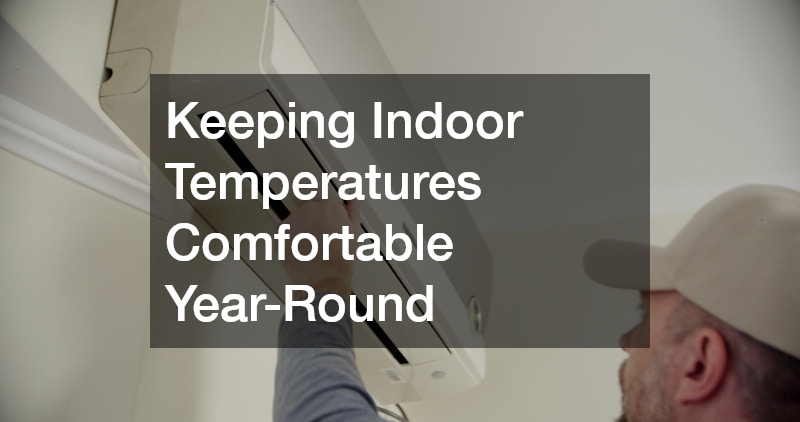
Heating and cooling systems are often the biggest contributors to whether a home feels comfortable or not. An inefficient or aging system can leave rooms too hot in summer and too cold in winter, no matter how many times you adjust the thermostat. Working with a qualified HVAC contractor can help you identify whether your current system needs repair, an upgrade, or simply better maintenance to run efficiently. Regular tune-ups extend equipment life and often reduce monthly energy bills noticeably.
If your system is more than 12 to 15 years old, it may be worth discussing replacement options rather than continuing to patch recurring problems. Newer systems offer better humidity control, quieter operation, and smart thermostat compatibility that adapts to your daily routine. Comfort is not just about temperature, it is also about consistent airflow and air quality throughout every room.
- Replace air filters every one to three months
- Seal ductwork leaks to improve efficiency
- Consider zoned systems for multi-level homes
- Ask about maintenance plans that include seasonal checkups
Refreshing the Heart of the Home
The kitchen is one of the most used spaces in any home, and outdated layouts or worn finishes can make daily tasks feel more difficult than they should be. Kitchen remodeling projects range from simple cosmetic updates to full layout changes that improve workflow and storage. Even small changes, like updating countertops or adding better lighting, can make a noticeable difference in how the space functions. Homeowners often find that thoughtful updates here offer some of the best returns on comfort and daily convenience.
Before starting any kitchen project, think about how you actually use the space day to day. Do you need more counter space for meal prep, better ventilation, or more efficient storage solutions? Answering these questions first helps ensure the final result fits your lifestyle rather than just following current design trends.
- Prioritize functional upgrades before purely cosmetic ones
- Consider durable, easy-to-clean surfaces for high-traffic areas
- Improve lighting with layered fixtures for tasks and ambiance
- Plan for adequate ventilation, especially with gas appliances
Planning for Larger Structural Projects

Some comfort issues cannot be solved with small fixes and instead require a broader look at your home’s structure. Whether you are adding a room, finishing a basement, or building an extension, home construction projects require careful planning around permits, budgets, and timelines. Understanding the scope of work upfront helps prevent surprises that can derail a project halfway through. It is also important to think about how new spaces will integrate with existing systems like heating, plumbing, and electrical.
Working with experienced professionals during the planning phase can help you avoid costly mistakes, especially when structural changes are involved. Ask detailed questions about materials, timelines, and how disruptions to daily life will be minimized during construction. A well-planned project reduces stress and keeps your household running as smoothly as possible throughout the process.
- Confirm permit requirements before work begins
- Get multiple detailed estimates for comparison
- Discuss how existing systems will be affected
- Set a realistic timeline that includes buffer days
Addressing Plumbing Concerns Before They Escalate
Plumbing problems rarely stay small for long, and what starts as a minor drip can quickly turn into water damage or mold growth if ignored. A reliable plumbing repair service can diagnose issues like slow drains, low water pressure, or hidden leaks before they become emergencies. Regular attention to your plumbing system protects both your home’s structure and your family’s daily comfort. Waiting too long to address warning signs often leads to more expensive repairs down the road.
Hot water is another area where comfort depends heavily on system performance. If your water heater is struggling to keep up with demand or making unusual noises, professional water heater installation may be a better long-term solution than repeated repairs. Newer units are often more energy efficient and better sized to match your household’s actual usage patterns. Replacing an aging unit before it fails completely also helps you avoid the inconvenience of unexpected cold showers.
- Watch for water stains on ceilings or walls
- Note any unusual sounds coming from pipes or the water heater
- Check water pressure regularly for sudden changes
- Consider tankless options for continuous hot water supply
Managing Household Waste Efficiently

Comfort at home is not only about big systems, it also includes the everyday logistics that keep your household running smoothly. Reliable trash services help prevent buildup, odors, and pest issues that can affect your quality of life, especially during renovation projects that generate extra debris. Choosing a provider with consistent pickup schedules and clear guidelines for bulk waste can simplify this often-overlooked part of home maintenance. This is especially important during remodeling work, when disposal needs temporarily increase.
Proper waste management also supports a cleaner, safer environment around your property. Overflowing bins or improperly stored trash can attract pests or create hazards, particularly in warmer months. Taking a proactive approach to waste removal keeps your home looking tidy and functioning efficiently.
- Confirm pickup schedules and any restrictions on bulk items
- Ask about recycling options if sustainability is a priority
- Arrange temporary dumpster service during larger projects
- Keep bins sealed to deter pests
Staying Safe With Electrical Systems
Electrical issues are among the most serious home concerns because they carry real safety risks if not handled properly. Flickering lights, frequently tripped breakers, or warm outlets are all signs that something needs immediate attention. In situations like these, calling an emergency electrician quickly is the safest choice, rather than attempting a temporary fix yourself. Electrical problems rarely resolve on their own and often indicate a larger issue within the wiring system.
Beyond emergencies, it is worth having your home’s electrical panel evaluated periodically, especially in older houses that may not support modern power demands. Upgrading outdated panels can improve safety and prepare your home for additional appliances or future renovations. Being proactive here protects both your property and everyone living in it.
- Never ignore burning smells or discolored outlets
- Avoid overloading circuits with too many high-power devices
- Schedule an inspection if your home is more than 20 years old
- Keep a list of emergency contacts for urgent electrical issues
Coordinating Whole Home Updates

When multiple areas of your home need attention at once, it often makes sense to think about updates holistically rather than tackling each room in isolation. For example, if you’re replacing flooring, updating electrical panels, and installing new HVAC ductwork, doing these in the wrong order can mean tearing out finished work to access wiring or ducts underneath. A professional remodeling service can help coordinate timelines across different trades, reducing the disruption that comes from scheduling separate projects one after another.
This kind of coordination also means fewer weeks with your home in a state of partial construction, since electricians, plumbers, and HVAC technicians can be scheduled back-to-back instead of months apart. A good remodeling service typically maps out a sequence, such as rough plumbing and electrical first, followed by insulation, drywall, then flooring and fixtures, so nothing gets damaged or redone unnecessarily.
This approach also allows for better budgeting, since you can prioritize which updates offer the most value for your comfort and lifestyle. You might decide that a new HVAC system takes precedence over cosmetic upgrades, or that upgrading insulation alongside window replacement makes sense because both affect energy efficiency. Bundling related projects can also reduce costs, as contractors often offer better rates when multiple jobs are scheduled together rather than billed separately.
Planning ahead prevents the frustration of redoing work because updates were not properly sequenced, and it also gives you a clearer picture of total costs and timelines before the first wall is opened up.
When you coordinate projects like HVAC upgrades, electrical rewiring, and plumbing updates, it’s much easier to maintain a consistent style throughout your home, rather than ending up with mismatched finishes from updates done at different times. For example, replacing an old thermostat now and updating light fixtures two years later often leads to a hodgepodge of finishes, from brushed nickel in one room to matte black in another. Planning these updates together lets you choose complementary materials, colors, and hardware finishes from the outset, creating a cohesive look from room to room.
Clear communication about your goals from the start helps ensure the final result matches your expectations. Before contractors arrive, walk through your home and make a list of priorities, whether that’s improving energy efficiency, adding smart home capability, or simply modernizing outdated fixtures. Share reference photos, a target budget range, and a realistic timeline with every contractor involved, since a plumber and an electrician may need to coordinate schedules if they’re both working behind the same wall.
Taking time to plan thoroughly pays off in both efficiency and long-term satisfaction with the finished space. A well-sequenced project, for instance rewiring before drywall repair, or duct replacement before installing new flooring, can save you from costly rework and repeated demolition. Building in a 10-15% contingency buffer for both budget and schedule also helps absorb the inevitable surprises that come with opening up walls in an older home.
- Group related projects together—like pairing HVAC replacement with duct sealing and insulation upgrades—to reduce overall disruption and avoid opening the same walls twice
- Set a clear priority list based on urgency and budget, tackling safety issues (electrical, gas lines, roofing leaks) before purely cosmetic or efficiency upgrades
- Ask about warranties on completed work, noting both manufacturer coverage on equipment and separate labor warranties, which typically range from 1 to 10 years
- Get multiple contractors on the same page if several trades are involved, so plumbing, electrical, and HVAC schedules don’t conflict
- Keep an open line of communication throughout the project timeline, using weekly check-ins or a shared project log to track progress and unexpected costs
Bringing New Life to Interior Spaces
Sometimes the simplest updates make the biggest visible difference in how a home feels day to day. Fresh interior painting can transform a tired room, correct old damage, and even improve air quality by covering surfaces prone to collecting dust and allergens. Choosing the right finish for each room, such as washable paint for kitchens or matte tones for bedrooms, makes maintenance easier down the line. This is often one of the most affordable ways to refresh a space without a full renovation.
Color choice also plays a bigger role in comfort than many homeowners realize, since lighter tones can make small rooms feel larger while warmer shades add coziness to larger spaces. Taking time to test samples in actual lighting conditions helps avoid surprises once the full room is painted. A well-executed paint job is a small investment that noticeably improves the overall feel of your home.
- Test paint samples in both natural and artificial light
- Choose washable finishes for high-traffic rooms
- Address wall repairs before painting for a smoother finish
- Consider ceiling color to balance the overall room tone
Modernizing your home does not have to mean tackling every project at once, but understanding how these essential systems work together makes it much easier to plan wisely. Start by identifying which areas affect your daily comfort the most, whether that is an aging HVAC system, outdated plumbing, or a kitchen that no longer fits your needs. Addressing issues before they escalate saves money and stress in the long run. With a clear plan in place, you can move forward confidently toward a home that feels as comfortable as it should.