
Before you knock down a single wall or pick out new countertops, storm-prone homes need to answer a harder question: is the structure underneath actually ready to protect your investment? Skipping foundational repairs before a remodel is one of the most expensive mistakes homeowners in hurricane, tornado, or hailstorm regions make. A beautiful new kitchen means little if wind-driven rain is seeping through an aging roof or pests have already compromised the framing behind your walls. This guide walks through the systems and structures worth fixing first, so your remodel actually holds up when the next storm hits.
Roof Condition and Storm Readiness
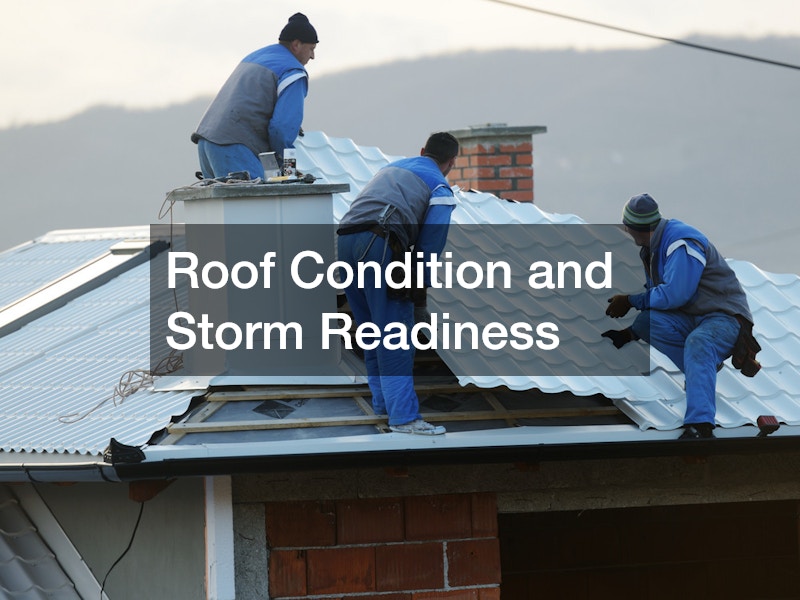
Your roof is the single most important line of defense against wind, hail, and heavy rain, which makes it the first thing to evaluate before any remodel begins. If your roof is more than 15 years old or has visible damage, a licensed roofing contractor should inspect it before you invest in interior upgrades that could be ruined by a leak. Many homeowners discover during a remodel that soft decking, missing shingles, or failing flashing have been quietly letting moisture into the attic for months.
Addressing roofing issues early also protects the rest of your renovation budget, since water damage from a compromised roof can destroy new drywall, flooring, and insulation just as easily as old materials. A professional residential roofing service can identify whether you need a full replacement or targeted repairs, and can advise on storm-rated materials suited to your climate.
- Check for curling, cracked, or missing shingles after any major storm
- Look for daylight or water stains in the attic near roof valleys
- Ask about wind and impact ratings when selecting replacement materials
- Confirm flashing around chimneys and vents is intact before remodeling begins
Window and Door Vulnerability
Windows and doors are common failure points during high-wind events, and standard glass simply cannot handle flying debris the way storm-prone regions require. If you are planning a remodel that touches exterior walls, this is the ideal time to bring in a residential glass service to upgrade to impact resistant windows rather than reinstalling the same vulnerable glass. These windows are built with laminated glass and reinforced frames designed to stay intact even when struck by debris at high speed.
Beyond storm protection, updated windows improve energy efficiency and reduce noise, which adds long-term value to your home regardless of weather. Waiting until after a remodel to address windows often means paying twice, since new trim and interior finishes may need to be redone if window replacement happens later.
- Look for a Design Pressure rating appropriate for your coastal or wind zone
- Check that frames are properly sealed and flashed to prevent water intrusion
- Consider laminated glass even for doors and sidelights near entryways
- Replace foggy or cracked panes before finishing any interior remodel work
Foundation and Drainage Issues
A remodel built on a compromised foundation is a remodel built on borrowed time, especially in regions prone to heavy rainfall and flooding. Cracks in the foundation, standing water near the base of the home, or uneven flooring are signs that drainage problems need attention before any construction begins. Water that pools against the foundation during storms can worsen structural cracks and eventually undermine load-bearing walls.
Fixing grading and drainage issues is often less expensive than people expect, and it prevents far costlier repairs down the road. Homeowners should walk the perimeter of their property after a heavy rain to see where water naturally collects and adjust landscaping or add drainage solutions accordingly.
- Extend downspouts at least five feet away from the foundation
- Regrade soil so it slopes away from the house
- Fill visible foundation cracks and monitor for new ones
- Install a French drain in persistently wet areas of the yard
Plumbing System Integrity

Storms often bring power outages, flooding, and pressure changes that can expose weaknesses in an aging plumbing system, so this is worth addressing before walls are opened up for a remodel. Older galvanized or corroded pipes are more prone to bursting during freezes or pressure surges, and hidden leaks can rot framing long before they are noticed. Scheduling plumbing services to inspect pipes, valves, and connections before a remodel begins gives you the chance to fix problems while the walls are already open, which saves on labor costs later.
This is also the right time to evaluate whether your main shutoff valve is easily accessible, since a functioning shutoff can prevent major water damage during a storm-related emergency. Many plumbing companies also recommend installing backflow preventers in flood-prone areas to keep storm runoff from contaminating household water lines.
- Ask for a pressure test to identify hidden leaks before remodeling
- Replace any exposed galvanized or polybutylene piping
- Confirm sump pumps and check valves are functioning properly
- Consider relocating shutoff valves to a more accessible location
Water Heater Placement and Condition
Water heaters are frequently overlooked during storm preparedness planning, yet they are one of the more vulnerable appliances in a flood-prone home. If your water heater sits in a basement or ground-level utility closet in a region with flooding risk, a remodel is the perfect opportunity to reconsider its placement. Elevating the unit on a platform or relocating it to a higher point in the home can prevent costly damage and contamination during heavy storms.
If your unit is older than eight to ten years, professional water heater installation during the remodel makes more sense than waiting for it to fail later, especially once new flooring or cabinetry is already in place. Replacing it proactively also gives you the chance to choose a more efficient model suited to your household’s needs.
- Elevate water heaters at least 12 inches above flood-prone floor levels
- Install a drain pan with an overflow line for added protection
- Replace anode rods and check for rust before finishing nearby walls
- Choose a tankless option if space and flood risk are ongoing concerns
Pest and Termite Damage Behind Walls
Humid, storm-prone climates create ideal conditions for termites and other pests to thrive, often causing structural damage long before homeowners notice any visible signs. Before opening walls for a remodel, it is worth scheduling a termite treatment inspection, since contractors frequently find damaged studs, sills, or joists that were never previously exposed. Repairing pest damage after drywall and flooring are already installed is far more expensive than catching it during the demolition phase of a renovation.
Termite damage is not the only pest concern worth addressing, since storms often drive rodents indoors seeking shelter from flooding and wind. Investing in rodent control before finishing walls prevents these pests from chewing through new wiring or insulation once the remodel is complete.
- Look for mud tubes along foundation walls, a common sign of termite activity
- Check exposed framing for soft, hollow, or crumbling wood
- Seal foundation gaps and vents to discourage rodents from entering
- Schedule pest inspections annually in humid or storm-prone climates
Glass and Exterior Opening Protection

Skylights in particular are prone to leaking and cracking under hail impact, making them worth inspecting even if the rest of the roof is in good shape. Older acrylic or polycarbonate domes can yellow, become brittle, and fail well before the surrounding shingles show wear, while poorly flashed units are a common source of hidden water intrusion during wind-driven rain. Because skylight flashing ties directly into the roof system, professional roofing services should be part of any skylight inspection or replacement to ensure the surrounding shingles and underlayment are sealed correctly. Homeowners should also have French doors and sliding glass units checked for worn weatherstripping and undersized astragals, since gaps as small as an eighth of an inch can let in enough pressure and water to compromise interior finishes during a storm.
Reinforcing or replacing vulnerable glass now, while renovation work is already underway, avoids the disruption of tearing into finished walls or ceilings later. Windows and doors are among the most common failure points during high wind events, since a single broken pane can allow pressure to build inside a home and stress the roof and walls from within. Impact-rated windows, rated to withstand debris impacts at speeds up to 140 mph in many coastal building codes, are worth the upfront cost if a remodel already has walls opened up for other work.
This is also a good time to evaluate whether storm shutters or protective film would benefit large glass surfaces that cannot be fully replaced. Roll-down or accordion-style shutters offer strong protection and can often be installed alongside other exterior work without much added disruption. For sliding glass doors, French doors, and oversized picture windows, laminated safety film provides a lower-cost alternative that still holds shattered glass in place rather than letting it become flying debris.
Don’t overlook garage doors in this evaluation, since they’re often the largest and weakest opening on a home. A garage door that fails under wind pressure can lead to catastrophic roof damage, so reinforcing tracks or upgrading to a wind-rated door is worth considering while other structural work is already in progress.
- Inspect skylights and sunroom glass for cracks, seal failures, or cloudy edges that signal moisture intrusion
- Ask about laminated or tempered glass rated for impact resistance in exposed openings, especially windows facing open fields or coastlines
- Consider protective film (rated for 3-7 mil thickness) or storm shutters for large glass surfaces facing prevailing winds
- Reinforce French doors and sliding glass doors with multi-point locking systems for added wind resistance
- Check garage doors for wind-load ratings, since a failed garage door is a leading cause of roof loss in high wind events
- Verify entry doors meet local wind-borne debris codes, particularly in coastal or hurricane-designated zones
Electrical System Readiness
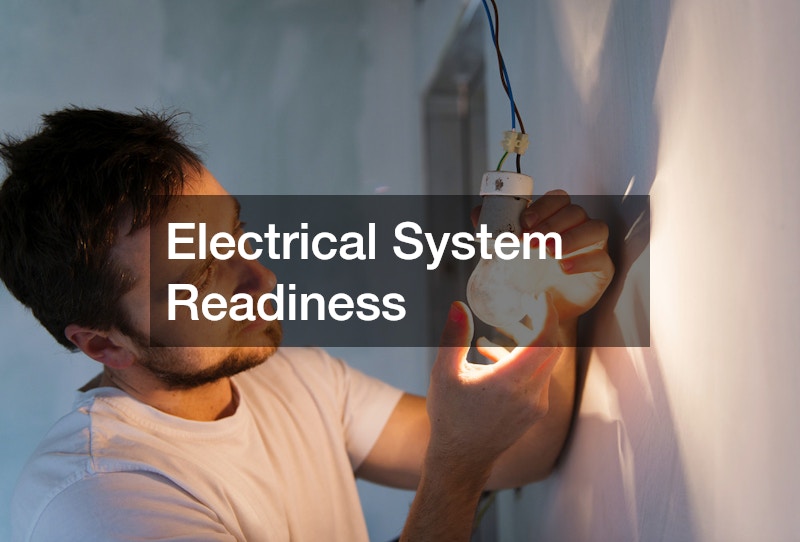
Storms bring power surges, outages, and water intrusion risks that can strain an outdated electrical system, so it deserves attention before remodeling work covers it back up. Homes with older panels or ungrounded outlets are more vulnerable to fire risk when storm damage affects wiring. Panels older than 20-25 years, or brands known for recall issues like Federal Pacific or Zinsco, should be flagged for replacement rather than repair.
A licensed electrician should confirm that panels, breakers, and outlets near water sources meet current safety standards before new finishes go in. This includes checking that kitchens, bathrooms, and any outdoor or basement outlets have GFCI or AFCI protection, since these circuits are most at risk during flooding or humidity spikes after a storm. Whole-home surge protection is also worth installing at the panel level, since it guards every circuit against the voltage spikes that follow lightning strikes or grid restoration after an outage.
It’s also worth having the electrician map out where wiring runs behind walls that will be opened during the remodel, since this is the cheapest window to upgrade aluminum or knob-and-tube wiring without additional demolition costs later. Homeowners should ask about adding a transfer switch or generator hookup at this stage too, as retrofitting one after walls are closed up typically costs significantly more. Addressing these items before drywall and flooring go back in prevents costly rework and reduces the chance that storm damage becomes an electrical hazard down the line.
Before closing up any walls, have an electrician confirm that your panel can handle the demands of both the remodel and future storm resilience upgrades. Many older homes still run on 100-amp service, which is often insufficient once you factor in modern HVAC systems, EV chargers, or backup power equipment. Upgrading to a 200-amp panel now, while access is easy, typically costs far less than retrofitting it later.
This is also a good time to consider adding a whole-home surge protector or backup generator hookup, since both are far easier to install while walls are already open. A whole-home surge protector, usually installed directly at the panel for a few hundred dollars, guards against the voltage spikes that often follow lightning strikes or grid fluctuations during storms. If you’re in a region prone to extended outages, ask your electrician about installing a transfer switch and exterior generator hookup, which allows safe, code-compliant backup power without running extension cords through windows.
Don’t overlook smaller details like GFCI and AFCI protection, elevated outlet placement in flood-prone areas, and properly sealed exterior electrical boxes. Elevating outlets a few inches above standard height in basements or ground-floor rooms near flood zones can prevent water intrusion damage after minor flooding events. Addressing electrical vulnerabilities now prevents costly rework and keeps your remodel safer during future storm events.
- Confirm GFCI outlets are installed in kitchens, bathrooms, laundry rooms, garages, and all exterior areas, and test them with the built-in “test” button before work begins
- Ask about whole-home surge protection at the panel level, not just power strips, to shield HVAC systems, appliances, and electronics from storm-related voltage spikes
- Inspect panel capacity and confirm it’s rated for at least 150-200 amps if adding new circuits, since older 100-amp panels often can’t handle remodel-driven demand
- Consider generator hookups or a transfer switch for homes in frequent outage areas, sized to cover essentials like refrigeration, sump pumps, and medical equipment
- Check that wiring is up to current code, especially in homes over 25 years old where aluminum or outdated wiring increases fire risk during storms
- Verify exterior electrical boxes and meter connections are weatherproof and properly sealed against wind-driven rain
Fixing these systems before your remodel begins protects both your safety and your investment, ensuring your updated home can actually withstand the storms it will inevitably face. Start with a professional inspection of your roof, windows, plumbing, and foundation, then work through pest, electrical, and glass concerns before finishes go in. Taking this sequence seriously now means fewer surprises, lower long-term costs, and a remodel that holds up when the weather turns.