Purchasing your first home is an exhilarating milestone, but buying a fixer upper brings a unique set of thrills, learning opportunities, and personal challenges. When you turn the key and unlock the front door for the very first time, you’re not merely stepping into a house; you’re stepping into a long-term project full of hidden potential, unique architectural character, and demanding physical work. Navigating this journey successfully means learning how to prioritize your projects effectively from the exterior boundaries of your lot to the deep interior mechanics inside your walls.
Safeguarding Your Investment Before You Begin
Before drafting floor plans or making major structural decisions, you need an accurate picture of your overall baseline property condition. While a standard pre-purchase review gives a quick snapshot during closing, performing a thorough follow-up evaluation helps map out a realistic renovation timeline. Partnering with an expert home inspection service allows you to identify hidden safety hazards, structural defects, and aging mechanical components that might otherwise lead to sudden financial strain down the road. Having an updated, detailed professional assessment gives you complete control over your working budget, ensuring you prioritize critical structural repairs over purely cosmetic updates.
Once you have a clear, prioritized list of necessary structural and mechanical fixes, you can approach your renovation tasks with total confidence. Knowing exactly where your house stands mechanically prevents you from tearing down walls only to encounter dangerous surprises behind the plaster. Protecting your structural core from day one ensures that every dollar spent builds long-term equity rather than paying for emergency structural repairs.
Tearing Down the Old to Make Room for the New
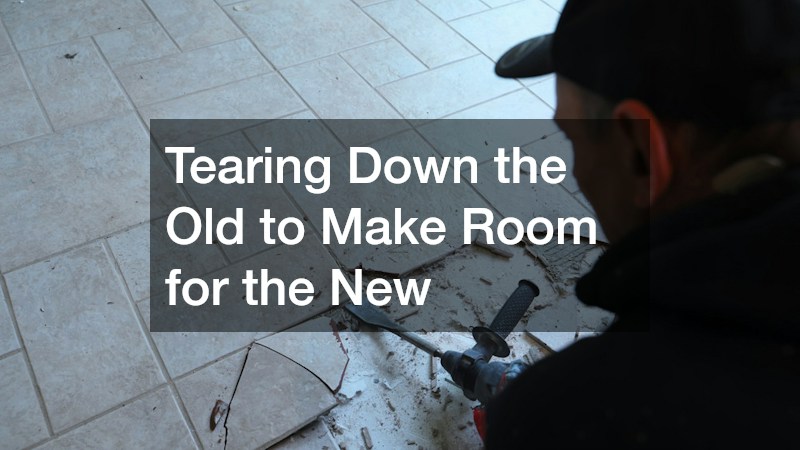
Demolition is often considered the most thrilling phase of any home renovation project, but it’s also exceptionally dangerous if approached recklessly. Tearing down interior walls, ripping up old flooring, and removing outdated heavy fixtures requires precise planning, personal protective equipment, and a clear understanding of structural load paths. Before removing any interior partition wall, you must verify whether it supports floor or roof framing above. Knocking out a structural wall without proper temporary support can cause immediate ceiling sagging or catastrophic framing collapse. In addition, older properties frequently hide hazardous materials like asbestos insulation or lead paint behind vintage tiles.
When dealing with major exterior site clearing or large-scale interior wall removals, hiring a licensed demolition company is the smartest move for safety and speed. Professional crews possess heavy equipment and specialized training to remove bulk building materials quickly without damaging surrounding structural frames. They also manage proper disposal and recycling of debris according to local municipal building codes. By handling structural tear-downs safely, you clear the canvas for new improvements without risking personal injury or structural failure.
Fortifying the Wooden Foundation of Your House
Structural integrity extends beyond concrete foundation walls and heavy timber framing; it also involves protecting your wood components from destructive subterranean invaders. Silent structural damage caused by wood-boring insects can quietly erode the entire value of your property without showing obvious surface signs until severe structural failure occurs. During the early stages of a fixer-upper remodel, exposed floor joists, wall studs, and subflooring present the absolute perfect opportunity to evaluate the health of your wooden framework. Looking for soft wood sections, mud tubes along masonry walls, or discarded insect wings near window sills will tell you if your home has an active infestation.
Schedule a thorough property evaluation with a certified termite inspection specialist to assess any historical damage and treat active colonies around the foundation. These trained experts utilize specialized detection tools to probe deep within wall cavities and crawlspaces without causing unnecessary damage to your interior finishes. Treating an infestation early stops structural decay in its tracks and prevents thousands of dollars in future framing repairs. Protecting your structural timbers guarantees that your newly renovated interior rests on a rock-solid framework for decades to come.
Managing Internal Moisture and Plumbing Safety
Water is easily the single most destructive force a homeowner will ever face. A small, unnoticed leak inside a plumbing wall cavity can rot heavy framing timbers, ruin fresh drywall, and foster toxic mold growth long before it creates a visible puddle on your floor. As you update old bathrooms, kitchens, and utility rooms, replacing outdated galvanized steel or polybutylene pipes with modern materials like PEX or copper should sit near the top of your priority list. Modern piping offers far better water pressure, superior corrosion resistance, and a significantly lower risk of sudden winter freeze bursts or joint failures.
While painting vanity cabinets or replacing faucet trim are straightforward DIY weekend projects, heavy pipe rerouting requires specialized trade knowledge and licensing. Hiring a reliable local plumber ensures that your water supply and drainage systems meet current local plumbing codes and working pressure standards. Professional installation guarantees proper system venting, secure solder joints, and leak-free connections hidden behind your new wall tiles. Investing in sound plumbing infrastructure provides long-term peace of mind, knowing your fresh aesthetic upgrades are fully protected from hidden water damage.
Keeping the Environment Safe and Pest-Free
When a residential house sits vacant or neglected during real estate transition periods, unwanted pests quickly establish active colonies inside warm attics, wall voids, and baseboards. Insect infestations create highly unpleasant living conditions and present genuine health risks through food supply contamination and airborne allergens. As you open up interior walls, seal exterior building gaps, and update kitchen cabinetry, eliminating hidden pest harborage sites is critical. Scrutinize dark cabinet corners, sink cutouts, subfloor openings, and utility entry points for signs of droppings, shed skins, or egg cases that indicate a pest problem.
If you encounter persistent infestations during your demolition or framing phases, bringing in an experienced cockroach exterminator is essential for long-term eradication. Professional exterminators utilize targeted, low-toxicity treatments and growth regulators that destroy hidden colonies at the source rather than just scattering them deeper into wall cavities. Combining professional pest elimination with diligent structural gap sealing keeps your newly renovated living space clean, sanitary, and healthy for your entire family.
Maintaining Year-Round Climate Control and Air Quality

A comfortable home relies heavily on an efficient, well-maintained thermal management and air distribution system. Older fixer-uppers frequently feature obsolete furnaces, inefficient outdoor compressor units, or ductwork choked with decades of accumulated dust, pet dander, and construction debris. Operating an outdated system strains your monthly utility budget and risks dangerous carbon monoxide leaks or electrical circuit failures. Before investing heavily in cosmetic interior finishes, evaluate the age, overall capacity, and air delivery efficiency of your heating and cooling equipment to ensure true year-round interior comfort.
Partnering with established HVAC companies enables you to calculate the exact heating and cooling loads required for your updated floor plan layout. Experienced trade professionals can inspect furnace heat exchangers for safe operation, clean air coils, and recommend energy-efficient heat pump systems that drastically lower your monthly operational bills. Upgrading your climate control infrastructure ensures your home maintains consistent interior temperatures, clean indoor air, and low operational energy costs throughout every season of the year.
Enhancing Structural Energy Efficiency from Within
Energy efficiency is the invisible structural upgrade that pays massive financial dividends over the entire life of your home. Many older properties completely lack adequate thermal insulation inside the attic floor, crawlspace ceilings, and exterior wall cavities, allowing conditioned air to escape continuously day and night. Adding modern insulation materials and carefully sealing air leaks around electrical outlets, window frames, and attic access hatches dramatically reduces strain on your mechanical heating systems. Simple DIY tasks like applying exterior window caulk yield immediate draft reduction improvements.
By prioritizing air sealing and thermal insulation during the structural framing stage, you create a significantly quieter, warmer, and more energy-efficient interior environment. A properly insulated home requires far less energy to heat and cool, lowering your overall carbon footprint while saving significant money on monthly utility bills. These invisible structural improvements form the core foundation of a high-performance home renovation that enhances daily comfort for decades.
Boosting Curb Appeal with Smooth Paved Surfaces
First impressions begin right at the street edge, making your driveway and main front entryway vital components of overall property curb appeal. A severely cracked, weed-strewn, or uneven driveway instantly detracts from an otherwise beautiful house and creates genuine safety hazards for foot traffic and family vehicles alike. Rainwater penetrating through open surface cracks freezes during winter months, expanding internal gaps and accelerating subbase soil erosion beneath the paved layer. Repairing or resurfacing your primary entrance driveway transforms the exterior aesthetic while protecting vehicle tires.
When planning major exterior surface overhauls, consulting experienced asphalt paving companies is the absolute best way to ensure proper site grading and water drainage. Professional paving crews grade the underlying aggregate subbase correctly so rainwater drains away from your home foundation rather than pooling near basement walls. A smooth, freshly laid asphalt surface provides clean visual lines, excellent long-term durability, and a polished look that dramatically elevates the visual appeal and resale value of your property.
Upgrading Exterior Paths and Functional Outdoor Spaces
Beyond the main vehicle driveway, exterior walkways and patio areas define how residents and guests move around your property grounds. Broken concrete slabs, shifting brick pavers, and uneven stone steps pose serious trip hazards for young children, elderly family members, and visiting guests. Renovation budget dollars allocated to hardscaping projects create highly functional outdoor living spaces and safe walkways connecting your driveway, front porch, side yard, and rear entertainment areas. Clean, level pathways guide visitors naturally while protecting grass from soil compaction.
Working with an experienced paving contractor allows you to select durable, visually appealing materials like interlocking pavers, stamped concrete, or natural stone that complement your home architecture. These seasoned professionals install deeply compacted aggregate bases that prevent future settling, shifting, or frost heaving during extreme weather changes. Investing in well-designed exterior pathways dramatically elevates your overall curb appeal while ensuring everyone navigates your outdoor property safely and comfortably year after year.
Creating the Ultimate Backyard Living Experience
Once your interior home infrastructure and exterior walkways are completely secure, you can turn your creative attention to custom outdoor leisure spaces. Transforming an overgrown, unused backyard into a functional entertainment venue dramatically expands your usable living space without the massive financial cost of an interior room addition. A well-planned outdoor living space serves as a natural extension of your indoor kitchen and family room, providing a dedicated area for weekend relaxation, outdoor cooking, and hosting lively summer family gatherings.
For homeowners who love cooking and entertaining outdoors, collaborating with a skilled local outdoor kitchen builder brings your backyard culinary vision to life safely. These specialized exterior contractors understand outdoor gas line installation, weather-hardened countertop materials, stainless steel appliances, and proper ventilation requirements for built-in masonry grills. A professionally constructed outdoor kitchen adds immense entertainment value and serves as a major feature that distinguishes your property from others on the market.
Designing Safe Play Spaces for the Family

If you have children or plan to welcome extended family members to your new home, creating a safe, dedicated outdoor play zone is a fantastic improvement project. An unmaintained backyard often hides dangerous hazards like rusted construction nails, hidden tree roots, low-hanging dead tree branches, and severe terrain unevenness. Clearing away hazardous yard debris, leveling rough lawn areas, and installing soft ground cover like cedar wood chips transforms an unsafe backyard into a secure environment where kids can play freely without constant injury worries.
Installing modern swing sets gives children an engaging, healthy reason to spend time outdoors right in the safety of your own backyard. When assembling heavy playground equipment, ensure the frame structure is anchored securely into the ground using solid concrete footings or heavy-duty ground screws to prevent tipping during active use. Creating dedicated, safe recreational spaces completes your exterior property transformation, making your fixer-upper a truly welcoming home for family members of all ages.
Curb appeal improvements, functional outdoor kitchens, smooth driveways, and safe family play areas serve as the final touches that transform a simple house into a warm, inviting home. Every structural upgrade and aesthetic enhancement you complete adds lasting monetary value, personal character, and physical comfort to your daily routine. By balancing personal patience, smart financial management, and a firm commitment to job site safety, you can successfully navigate your first home renovation, turning a tired, neglected property into a stunning personal sanctuary that you’ll be proud to own for decades to come.