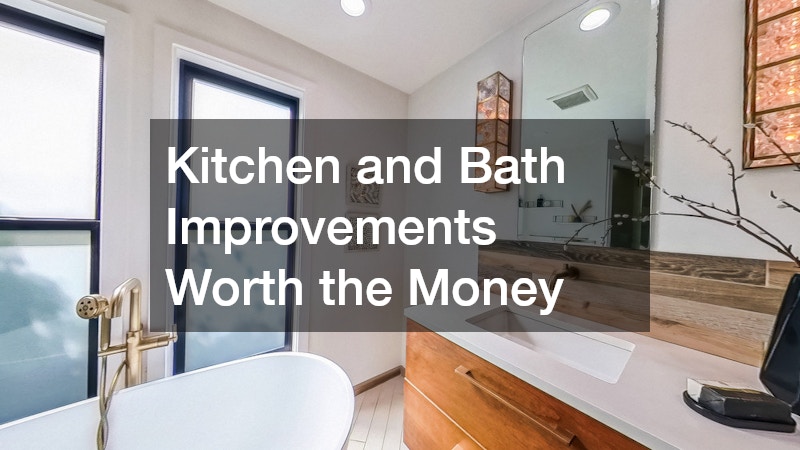
Kitchen and bathroom upgrades can make a home more comfortable, more functional, and more appealing to future buyers. These are the rooms people use every day, so even small improvements can have a big impact on how a home feels. The challenge is knowing which upgrades are worth the money and which ones are mostly cosmetic.
A smart project starts with practical priorities. Better storage, improved lighting, durable surfaces, efficient fixtures, and a more functional layout often matter more than trendy finishes. The goal is not always to spend more. The goal is to spend wisely.
For homeowners on a limited budget, the best improvements are those that solve real problems. A beautiful room still feels frustrating if the drawers are too small, the lighting is poor, or the materials are hard to maintain. Before choosing colors, tiles, or appliances, it helps to think about how the space is used every day.
Focus First on What Bothers You Daily

The most valuable updates usually begin with everyday frustrations. If a kitchen feels cramped, a bathroom lacks storage, or the lighting makes simple tasks difficult, those issues should guide the project. A good home remodeler can help homeowners look beyond surface-level changes and identify improvements that will make the space easier to use.
Start by walking through the room and writing down what does not work. Be specific. Instead of writing “the kitchen is outdated,” write “there is not enough counter space near the stove” or “the pantry is hard to access.” These details help shape a better project plan.
Common kitchen frustrations include:
- Not enough prep space
- Poor cabinet organization
- Dark corners or weak task lighting
- Outdated appliances that waste energy
- A layout that creates traffic jams
- Counters that stain, chip, or require too much maintenance
Common bathroom frustrations include:
- Not enough vanity storage
- Poor ventilation
- Dim lighting around the mirror
- Slippery or damaged flooring
- An old shower that is hard to clean
- Fixtures that waste water or perform poorly
When homeowners focus on daily problems first, they avoid spending money on updates that look good but do not improve the way the home works.
Spend More on Surfaces That Work Hard
Kitchens and bathrooms take more abuse than most other rooms. Water, heat, spills, cleaning products, and daily wear can quickly expose cheap materials. This is why high-use surfaces are often worth a larger share of the budget.
In kitchen remodels, homeowners usually get the best long-term value from durable countertops, quality cabinet hardware, reliable faucets, and flooring that can handle heavy foot traffic. These are not just design choices. They affect maintenance, cleaning, and how long the finished space holds up.
Bathrooms require even more attention to moisture. A bathroom remodeling company can help homeowners choose materials and installation methods that reduce the risk of water damage. This matters because hidden leaks, poor waterproofing, and cheap flooring can lead to expensive repairs later.
It is usually better to choose a simple, durable material than a trendy one that will be difficult to maintain. A room that still looks good after years of daily use is almost always a better investment than one that only looks impressive on installation day.
Make the Layout Work Before Choosing Finishes
A better layout can change the entire feel of a kitchen or bathroom. Paint colors, tile, and hardware can improve appearance, but layout affects how people move, cook, clean, and get ready each day. Before replacing items in the same location, homeowners should ask whether the current arrangement actually works.
Kitchen design companies can be helpful when a homeowner wants to rethink the room’s flow. They can help decide whether an island makes sense, where appliances should be placed, and how much clearance is needed between major work zones. Sometimes a modest layout change creates more value than expensive finishes.
A local home remodeling company may also understand the common limitations of homes in the area. Older homes may have tight footprints, unusual plumbing locations, or walls that are difficult to move. Working with someone familiar with these challenges can help avoid unrealistic plans.
Layout improvements worth considering include:
- Adding landing space near the refrigerator or oven
- Moving a dishwasher closer to storage
- Improving the distance between sink, stove, and refrigerator
- Replacing a rarely used tub with a larger shower
- Changing a bathroom door swing to improve space
- Adding recessed storage or built-ins
- Improving pantry or linen closet access
A strong layout makes a room feel more expensive, even when the finishes are simple. Poor layout does the opposite. Even high-end materials can feel disappointing if the space is awkward to use.
Choose Countertops With Long-Term Use in Mind
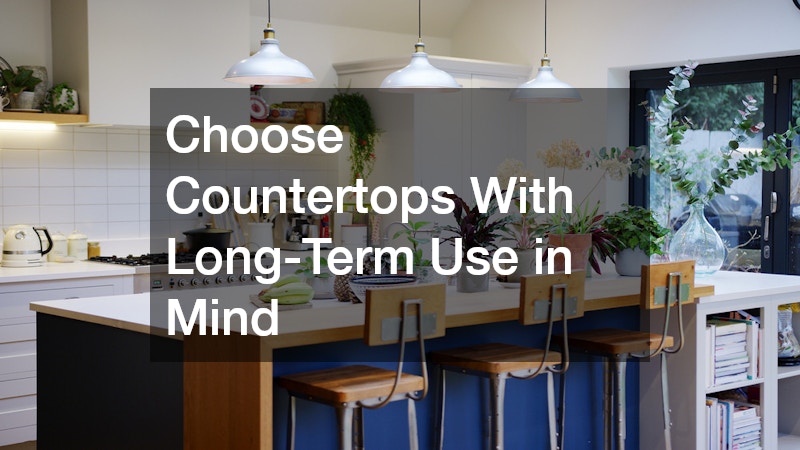
Countertops are one of the most visible and heavily used features in a kitchen or bathroom. They affect style, maintenance, cleaning, and durability. While it is easy to be drawn to the most dramatic material in a showroom, the best choice depends on the household’s budget and habits.
A local countertop installer can explain the real-world pros and cons of different materials. They can also help homeowners understand edge profiles, slab sizes, seams, remnants, and installation costs. These details can make a big difference in the final price.
Popular countertop options include:
- Laminate: Affordable, improved in appearance, and good for tight budgets
- Butcher block: Warm and attractive, but requires maintenance
- Quartz: Durable, low maintenance, and widely available
- Granite: Natural, strong, and unique, but may require sealing
- Solid surface: Smooth, repairable, and useful for simple designs
- Tile: Budget-friendly, but grout maintenance can be a drawback
Homeowners can also mix materials to save money. For example, a durable stone or quartz surface could be used on an island, while a more affordable material is used along the perimeter. In a bathroom, a remnant piece may be enough for a vanity and can cost much less than a full slab.
Upgrade Cabinets Without Replacing Everything
Cabinet replacement can be one of the most expensive parts of a kitchen project. In some homes, it is necessary. In others, the existing cabinet boxes are still solid, and smaller changes can yield major improvements for less money.
A construction contractor can help determine whether cabinets can be saved or whether replacement is the smarter long-term choice. If walls, plumbing, or electrical work are involved, professional input becomes even more important.
Budget-friendly cabinet upgrades include:
- Painting or refinishing cabinet doors
- Replacing only the doors and drawer fronts
- Installing new knobs or pulls
- Adding soft-close hinges
- Installing pull-out shelves
- Adding drawer organizers
- Adding vertical tray dividers
- Replacing worn toe kicks or panels
Full replacement makes more sense when cabinets are damaged, poorly built, or arranged in a way that does not support the room’s function. If the layout is poor, installing new doors on old cabinets may only mask the real issue.
Improve Lighting So the Room Works Better
Lighting is one of the most overlooked upgrades in kitchens and bathrooms. Poor lighting can make even a newly renovated room feel dull or difficult to use. Good lighting improves safety, comfort, appearance, and function.
During home construction or larger renovation work, lighting is easier to plan because wiring can be placed before walls and ceilings are finished. However, even smaller projects can benefit from updated fixtures, dimmers, and better placement.
Lighting should be planned for how the room is used, not just how the fixtures look. A beautiful pendant does not help much if the countertop below it is still too dark.
Pick Bathroom Updates That Add Comfort
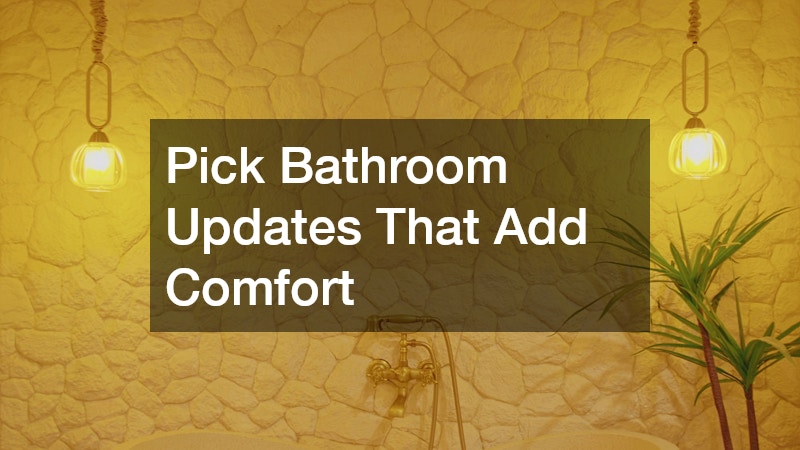
Bathrooms are small spaces, but they have a major impact on daily routines. The best improvements make mornings smoother, cleaning easier, and the room more comfortable for everyone in the home.
When planning bathrooms as part of whole home renovations, it is important to consider consistency. Flooring, finishes, and layout choices should feel connected to the rest of the home. That does not mean every bathroom has to look the same, but the overall style should make sense.
Worthwhile bathroom upgrades include:
- A walk-in shower with a low threshold
- A stronger exhaust fan
- A vanity with drawers instead of only doors
- A larger mirror
- A built-in shower niche
- Water-saving fixtures
- A comfort-height toilet
- Easy-clean shower glass
- Slip-resistant flooring
Storage is especially important. Many bathrooms look nice in photos but fail in real life because there is nowhere to put towels, toiletries, cleaning supplies, or hair tools. A vanity with drawers can be more useful than a beautiful pedestal sink.
Know When a Bigger Project Makes Sense
Sometimes, small updates are enough. Other times, a larger plan is more cost-effective in the long run. If the kitchen and bathrooms are outdated, the layout no longer fits the household, or major systems need work, it may be smarter to plan a larger project rather than renovating one room at a time.
Home builders can be useful when a project involves structural changes, additions, or major layout adjustments. Their experience can help homeowners understand how one change affects another, especially when plumbing, electrical, walls, and flooring all connect.
Signs a bigger project may be worth considering include:
- Multiple rooms need updates
- Plumbing or electrical systems are outdated
- The home has poor flow
- The family plans to stay long-term
- There is unused space that could be reworked
- The kitchen and bathrooms feel disconnected from the rest of the home
A larger project does not always mean doing everything at once. It can also mean creating a single long-term plan so that each improvement supports the next. This helps avoid wasted money, such as installing new flooring that later has to be removed when walls are changed.
Mix Splurge and Budget Choices
A smart renovation budget does not treat every item the same. Some features deserve more investment because they affect durability and daily use. Other features can be simple and affordable without hurting the overall result.
The key is balance. If everything is the cheapest option, the room may not hold up. If everything is premium, the project can become unnecessarily expensive. Choosing one or two focal points helps the space feel intentional without overspending.
For example, a bathroom might have simple wall tile but a beautiful vanity and excellent lighting. A kitchen might use stock cabinets with upgraded hardware and a strong countertop. These combinations can deliver a polished look without wasting money.
Avoid Trends That Are Expensive to Undo

Trends can be fun, but permanent materials should be chosen carefully. Cabinets, tile, countertops, and flooring are expensive to replace. If these items are too trendy, they can make the room feel dated sooner than expected.
This does not mean a room has to be boring. Personality can be added through easier-to-change items, such as paint, rugs, artwork, towels, stools, lighting shades, and decor. These items can be updated later without tearing apart the room.
A timeless base also helps future buyers see themselves in the home. Even if resale is not the main goal, it is usually wise to avoid permanent choices that only appeal to a very specific taste.
Set the Budget Before Work Begins
Clear budgeting is one of the most important parts of any improvement project. Without a defined budget, costs can grow quickly. Materials, labor, permits, repairs, and changes can all add up.
Before demolition begins, homeowners should request a detailed scope of work. This helps clarify what is included, what is not, and where extra costs may arise. A vague estimate can lead to confusion later.
It is also smart to set aside a contingency fund. Older homes often reveal hidden problems once walls, floors, or cabinets are removed. Water damage, outdated wiring, uneven floors, and plumbing issues are common surprises.
The best kitchen and bathroom improvements are not always the flashiest ones. They are the upgrades that make the home easier to use, easier to maintain, and more enjoyable every day. Durable surfaces, better lighting, smarter storage, improved layouts, and quality fixtures often provide more value than trendy finishes.
A smart project starts with real-life needs. Before choosing colors or materials, homeowners should think about what feels frustrating, what wears out quickly, and what would make daily routines easier. From there, the budget can be focused on improvements that truly matter.
With the right plan, a kitchen or bathroom upgrade does not have to be wasteful or overly expensive. The most worthwhile improvements are practical, durable, and designed for how people actually live.