A beautiful exterior does not have to come from an expensive, all-at-once renovation. The smartest improvements often begin with careful maintenance, a realistic budget, and thoughtful material reuse. From the roofline to the front walkway, every visible element contributes to your home’s appearance and everyday usefulness. Choosing projects thoughtfully can make those elements work together without draining your savings.
Before buying materials or scheduling contractors, consider what needs attention now and what can comfortably wait. A weathered fence might need a few repairs rather than replacement. A cluttered yard may feel completely different after selective pruning and a simpler planting plan. Larger projects become manageable when phased.
The goal is not to make every surface look new. It is to protect your investment, improve how your property functions, and spend money where it provides meaningful benefits. The following strategies can help you identify worthwhile changes, avoid unnecessary expenses, and create a cohesive exterior over time.
Start With Essential Repairs Before Cosmetic Upgrades
An appealing paint color will not matter much if water is entering through damaged roofing. Begin with a walk around your property, noting loose materials, signs of moisture, uneven walking surfaces, and components that no longer operate properly. Photograph problem areas and separate urgent concerns from improvements that are mainly aesthetic. This simple inventory helps you direct limited funds toward issues that could become more expensive if ignored.
Roofing deserves early attention because leaks can affect insulation, ceilings, and structural materials. Look for missing shingles, damaged flashing, or stains beneath overhangs, but leave climbing and detailed inspections to qualified professionals. Small roof repairs may extend the life of an otherwise sound roof, while extensive deterioration could justify a broader replacement discussion. Ask contractors to explain what is failing, which repairs matter and their expected lifespan.
If replacement is unavoidable, compare more than upfront prices. Conventional materials and synthetic roofing products can differ in weight, appearance, maintenance needs, and installation requirements. Some synthetic options imitate slate or wood without the same maintenance profile, but suitability depends on the product, roof structure, local conditions, and installation. Request written specifications and warranty details rather than assuming the highest-priced material will offer the best value.
Addressing the building envelope first protects the work you plan to complete later. It also reduces the risk of paying twice when a preventable problem damages a freshly improved surface.
Refresh Existing Surfaces With Strategic Painting
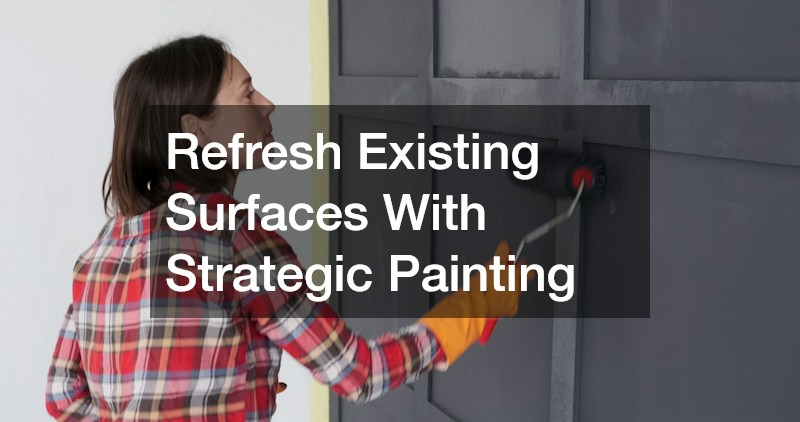
Paint can deliver a noticeable change without requiring you to replace siding, trim, shutters, or a front door. However, preparation often determines whether the results last. Before opening a paint can, check for peeling finishes, soft wood, cracked caulk, and moisture intrusion. Cleaning and repairing these areas helps fresh paint adhere and keeps underlying defects from disappearing beneath a temporary cosmetic fix.
You do not need to repaint the entire house to make progress. Concentrating on the entry door, porch railings, window trim, or other highly visible features can create a cleaner impression for less money. A restrained color palette also makes separate projects look intentional, especially when existing stone, brick, or roofing colors are difficult to change. Test samples outdoors and observe them before buying materials.
A house painter can help assess surfaces that require specialized preparation, high ladder access, or equipment you would need to rent. When gathering estimates, ask whether washing, scraping, priming, caulking, and minor repairs are included. A lower price may not represent a better deal if important preparation is excluded.
For smaller jobs you can handle safely, measure the painting area and purchase the appropriate amount of material instead of guessing. Save leftover paint for touch-ups and record the product name and color. Maintaining a good finish usually costs less than allowing weather damage to accumulate for years.
Improve Driveways and Garage Doors Selectively
The driveway and garage often occupy a large share of the view from the street. Their condition influences curb appeal, but full replacement is not always necessary. Start by checking for surface wear, drainage problems, failed seals, or damage that creates a safety concern. Consider repairs before major work.
For asphalt surfaces, filling suitable cracks and maintaining the surface may delay bigger work when the underlying base remains stable. Severe sinking, repeated pooling, or widespread failure calls for a closer evaluation. If driveway paving becomes necessary, request estimates that describe excavation, base preparation, drainage, surface thickness, and cleanup. Compare scope, not just price. Ask how the finished driveway will direct water away from buildings and neighboring properties.
Garage doors deserve the same practical approach. A door that looks dated may need only cleaning, refinishing, or updated hardware. Problems with tracks, springs, cables, and automatic openers are different: damaged components can create serious hazards and should be evaluated by trained technicians. Contact local garage door companies for inspections and itemized repair options before replacing the system.
Think about daily convenience as well as appearance. Reliable access, safe walking routes, and effective drainage contribute more to long-term value than decorative upgrades that hide unresolved problems. Put structural and mechanical needs ahead of styling details, then use affordable finishing touches to unify the overall look.
Create Outdoor Living Areas in Manageable Phases
An inviting backyard does not require an elaborate outdoor kitchen or a large custom patio. Think first about how you would actually use the space. A small seating area for morning coffee, an accessible path to the garden, or a shaded table for family meals may serve you better than several expensive features you rarely use.
Begin with a simple layout that identifies circulation routes, sun exposure, privacy needs, and existing utilities. Reuse sound furniture when possible and choose durable materials suited to your climate. For a platform, ask deck builders about a practical footprint, appropriate materials, permit requirements, and future maintenance. A modest, well-designed deck can feel more spacious when furniture placement and access points are planned carefully.
For broader improvements, an outdoor living service may help coordinate gathering areas, lighting, walkways, and features that support the way your household spends time outside. Ask for a design that can be completed in stages. Early drainage or electrical work can prevent demolition, even if decorative features are postponed.
Avoid buying every accessory at once. Start with comfortable seating, adequate lighting, and a functional surface underfoot. After living with the new arrangement, you can decide whether additional shade, planters, or storage would genuinely improve it. This approach keeps the budget grounded in real habits rather than a photograph.
Make Landscaping Attractive and Easy to Maintain
A carefully planned yard can improve the appearance of a property without demanding constant purchases. The key is choosing plants and features that fit existing conditions. Observe where water collects, how much sunlight each area receives, and which plants already thrive. Healthy established vegetation is often worth preserving because mature trees and shrubs can be costly to replace.
Thoughtful landscape design considers proportion, drainage, seasonal interest, and realistic maintenance. Group plants with similar watering needs and use mulch appropriately to reduce exposed soil and help manage moisture. Select species suited to your region rather than filling every empty bed with plants that will struggle. Leaving room for growth can also prevent overcrowding and frequent replacement.
Trees require special consideration because poor pruning or hidden defects may affect nearby structures and outdoor gathering spaces. Certified arborists can evaluate tree health, advise on selective pruning, and identify situations where additional attention is warranted. Their assessment may help you preserve a valuable mature tree instead of removing it unnecessarily. Avoid trimming large limbs yourself, particularly near power lines or buildings.
For inexpensive visual improvements, redefine garden edges, remove weeds, and relocate movable containers before buying new landscaping elements. Repeat plant shapes or colors for cohesion. Consider ongoing costs as well as installation expenses: a beautiful feature stops being economical when its watering, upkeep, or replacement needs exceed what you planned to spend.
Add Privacy and Definition Without Rebuilding Everything
Fencing can help establish boundaries, improve privacy, and make a yard more useful for children or pets. Yet a new fence across the entire property may be more than you need. Walk the perimeter and identify damaged sections, exposed sightlines, and vegetation already providing screening.
A local fence company can assess whether posts, gates, or individual panels can be repaired while preserving sound sections. If replacement is necessary, discuss materials in terms of both installation cost and expected upkeep. Wood may offer flexibility in appearance but often requires periodic treatment, while other materials have different purchase prices, durability, and maintenance considerations. Check local rules, property lines, and any applicable neighborhood restrictions before starting work.
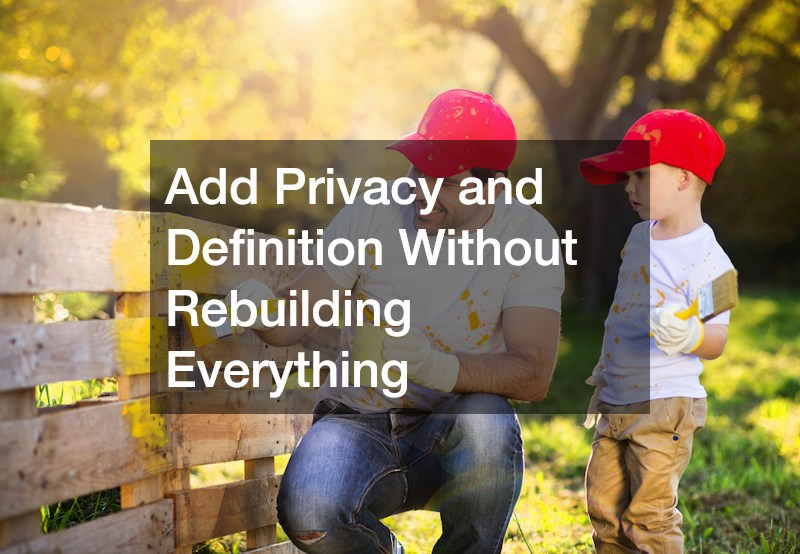
A short patio screen may replace extensive fencing. A repaired gate, fresh stain, or strategically placed trellis can also improve the view without creating a large project. Choose changes that solve a specific problem, such as blocking an unpleasant sightline or keeping pets within a defined area.
Remember that privacy features affect your neighbors and nearby landscaping. Discuss shared boundary concerns when appropriate, plan around tree roots, and maintain access for future repairs. A thoughtful, limited improvement can feel more polished than an expensive barrier installed without considering the surrounding space.
Compare Project Costs Beyond the Initial Estimate
A practical exterior budget includes much more than the quoted installation price. Materials, disposal fees, permits, repairs discovered during work, and ongoing maintenance all influence what a project ultimately costs. Before requesting estimates, write down your main goal and distinguish requirements from optional extras. A clear scope makes it easier for contractors to propose comparable solutions and reduces pressure to make expensive decisions on the spot.
Collect multiple written estimates for substantial projects when feasible. Each should clarify the work included, proposed materials, payment schedule, timeline, warranty terms, and responsibility for permits or cleanup. If one bid is dramatically lower, ask what differs rather than immediately choosing it. Look for transparent explanations of alternatives, not promises that every upgrade is essential.
Sequencing can also protect your budget. For example, complete roof and drainage work before painting surfaces that could be disturbed by repairs. Arrange heavy equipment access before installing delicate landscaping or new fencing. Where appropriate, combine related tasks to reduce repeated setup costs, but avoid bundling unrelated projects simply because a contractor offers a package.
Set aside a contingency for unexpected conditions, particularly in older homes. Keep a running record of committed costs, paid invoices, and remaining funds. This makes it easier to postpone a decorative feature when essential work exceeds expectations. The most economical choice is the one that meets your needs without generating avoidable rework, unsafe shortcuts, or maintenance obligations you cannot sustain.

Keep Your Improvements Affordable Over Time
Exterior upgrades deliver greater value when you care for them after installation. Build a simple seasonal maintenance calendar instead of waiting until something breaks. Clear debris from drainage paths, inspect visible paint and caulk, check gates and walkways, and note any changes after severe weather. Notice small problems early and consistently.
Document product information, contractor recommendations, and warranty conditions in one accessible place. Store photos taken before and after each project so you can track deterioration and plan future work. If a repair involves equipment or structural components, follow professional guidance rather than attempting hazardous tasks yourself. Regular attention should make the home easier to manage, not introduce unnecessary risks.
Be selective about trends. An expensive exterior feature may look appealing online but add little practical value to your household. Prioritize improvements that support comfort, safety, durability, and how you actually spend time at home. When you do choose a decorative upgrade, favor a consistent look that complements materials already on the property.
Finally, reassess your priorities annually. Household needs change, and a project that seemed urgent last year might become less important than a new maintenance concern. Saving for upcoming work and tackling jobs in the right order gives you more control over spending. A maintained exterior reflects steady decisions, not dramatic renovation. With a clear plan, you can make your home more welcoming and useful while protecting the money available for everything else.